
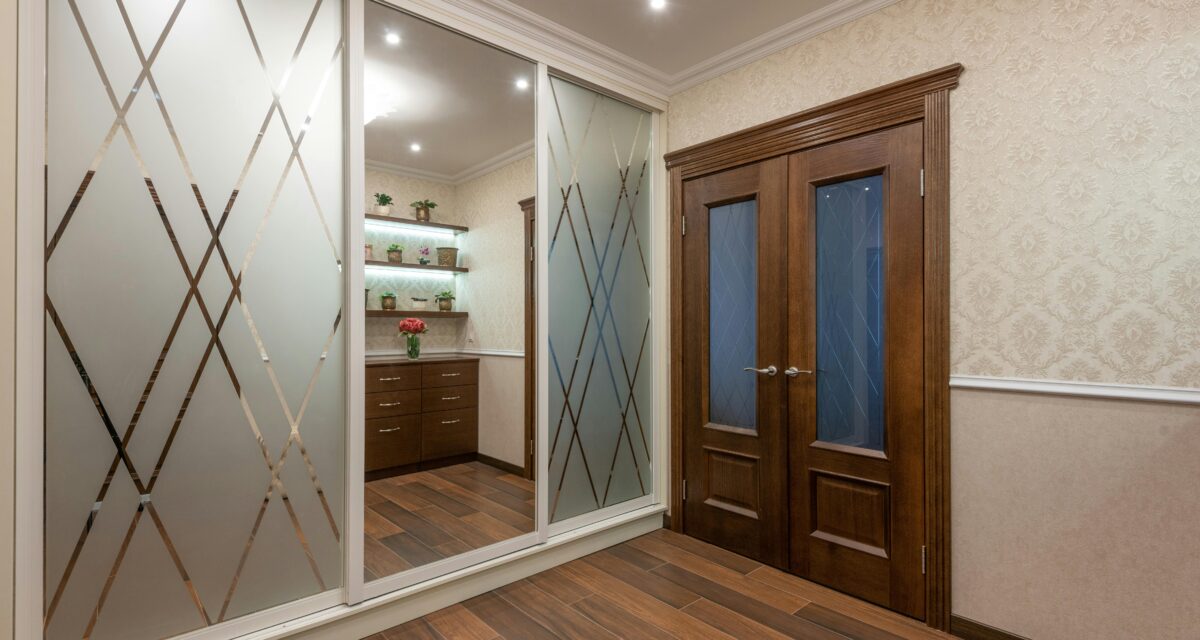
Choosing between satin etched and frosted glass in the UAE depends heavily on your maintenance and privacy needs. Satin glass features a smooth, silky acid-etched finish that repels fingerprints, making it ideal for high-traffic areas. Frosted glass, often sandblasted, provides stronger, more traditional privacy but shows smudges more easily.
In the UAE market, where glass is widely used in villas, offices, hotels, and retail interiors, the decision is not only about aesthetics but also about heat control, durability, cleaning effort, and long term performance under harsh environmental conditions.
What is Satin Glass?
Definition and Manufacturing Process
Satin glass is a type of acid etched glass produced through a controlled chemical treatment process. The surface of clear float glass is exposed to acid solutions that create a smooth, matte finish.
For consistent quality finishes and architectural applications, top contractors prefer working with acid etched glass services Dubai to ensure premium grade material selection and long term durability.
Unlike abrasive sandblasting methods, acid etching produces a finer, more uniform surface texture. This results in a soft satin like appearance that diffuses light gently without creating strong glare.
Key Characteristics of Satin Glass
- Smooth velvety surface texture
- Consistent translucency across the panel
- High resistance to fingerprint visibility compared to other finishes
- Elegant and premium aesthetic appeal
- More uniform light diffusion
Satin glass is often preferred in premium architectural projects due to its refined appearance and long term visual stability.
What is Frosted Glass?
Definition and Manufacturing Process
Frosted glass is typically produced using sandblasting or surface abrasion techniques. In this process, fine particles are blasted onto the glass surface at high pressure to create a roughened and opaque effect.
Unlike satin glass, frosted glass has a more granular texture that scatters light more aggressively.
Key Characteristics of Frosted Glass
- Rougher surface texture compared to satin glass
- Higher opacity in certain grades
- Strong privacy performance
- More prone to visible smudges and cleaning marks
- Lower cost compared to acid etched glass
Frosted glass is widely used where cost efficiency and privacy are more important than refined aesthetics.
Key Differences Between Satin Glass and Frosted Glass
1. Manufacturing Technique Impact
The difference in production methods significantly affects the final performance.
- Satin glass uses acid etching which creates a smoother microscopic surface
- Frosted glass uses mechanical abrasion which produces a rougher surface
This difference directly impacts appearance, cleaning ease, and durability.
2. Visual Appearance and Light Diffusion
Satin glass provides a soft and uniform glow. It allows light to pass through evenly without harsh scattering.
- Frosted glass creates a more diffused and cloudy appearance
- Light transmission can appear slightly uneven depending on blasting intensity
In UAE interiors where natural sunlight is strong, satin glass is often preferred because it reduces glare without over diffusing brightness.
3. Privacy Performance
Both glass types provide privacy, but in different ways.
- Satin glass offers medium to high privacy while still maintaining clarity of form
- Frosted glass offers high privacy with more visual obstruction
In high traffic office environments in Dubai, frosted glass is sometimes preferred for meeting rooms where full visual blockage is required.
4. Maintenance and Cleaning
Maintenance is a key factor in UAE due to dust conditions.
- Satin glass is easier to clean and resists staining better
- Frosted glass tends to trap dirt in micro grooves created during sandblasting
Over time, frosted surfaces may require more frequent cleaning to maintain a consistent appearance.
5. Durability and Surface Stability
Satin glass generally has better long term surface stability because acid etching modifies the glass at a controlled molecular level.
- Frosted glass can gradually lose uniformity if exposed to repeated abrasive cleaning
- This issue becomes more visible in high traffic or frequently touched installations
In long term UAE installations, satin glass tends to maintain a more consistent finish.
6. Cost Comparison
Typical UAE market pricing trends show clear differences in cost positioning.
- Frosted glass is generally 15 percent to 30 percent cheaper
- Satin glass is positioned as a mid to premium range material
Cost variation depends on thickness, design customization, and supplier standards.
In UAE construction projects, frosted glass is often chosen for budget efficiency, while satin glass is selected for premium architectural finishes.
Key Differences at a Glance
| Feature | Satin Glass | Frosted Glass |
| Manufacturing | Acid-etched | Sandblasted |
| Surface | Smooth & silky | Rough & grainy |
| Maintenance | Easy, low fingerprint visibility | Higher cleaning effort |
| Privacy | Medium–High | High |
| Aesthetic | Premium, modern | Functional, basic |
UAE Environmental Factors Affecting Glass Choice
High Heat and Sun Exposure
The UAE climate plays a major role in material performance. Intense sunlight can increase glare and heat inside buildings.
Satin glass performs better in controlling glare while maintaining natural light balance. Frosted glass can sometimes create overly diffused lighting, making interiors appear dimmer in certain orientations.
Dust and Sand Conditions
Frequent dust exposure in cities like Dubai and Fujairah means surfaces must be easy to clean.
Satin glass is less prone to visible dust accumulation. Frosted glass can show uneven cleaning results if not maintained properly.
Commercial Design Trends
Modern UAE architecture trends favor minimalist and luxury finishes. Satin glass aligns more closely with premium architectural styles used in corporate towers and high end villas.
Case Study Comparison
Case 1: Corporate Office in Dubai Marina
A mid sized IT company installed frosted glass partitions for meeting rooms.
Outcome:
- Strong privacy achieved
- However, maintenance costs increased due to visible smudges
- Lighting appeared slightly dull in enclosed rooms
Case 2: Luxury Villa in Palm Jumeirah
Satin glass was used for bathroom partitions and wardrobe doors.
Outcome:
- High end aesthetic achieved
- Easier cleaning for homeowners
- Better integration with natural lighting
- Higher client satisfaction with visual comfort
These two cases highlight how usage environment determines the better choice.
Practical Applications of Satin Glass & Frosted Glass for UAE Properties
Satin Glass Applications
Satin glass is best suited for premium interiors where aesthetics and low maintenance are top priorities.
Common uses include:
- Modern office partitions in Dubai business districts
- Conference rooms requiring professional appearance
- Upscale residential bathroom doors and enclosures
- Kitchen cabinet glass panels in luxury villas
- Hotel interiors and spa environments
Its smooth finish and fingerprint resistance make it ideal for high traffic areas where appearance must remain consistent.
Frosted Glass Applications
Frosted glass is ideal for locations requiring maximum privacy and light reduction without completely blocking natural sunlight.
Common uses include:
- Exterior bathroom windows in residential buildings
- Balcony privacy screens in apartment towers
- Street facing partitions and windows
- Budget office cabins and meeting rooms
- Utility and service areas in commercial buildings
It is often selected when privacy is more important than surface finish quality. For decorative partitions and customized interior styling, many designers also explore custom decorative mirrors Dubai to complement frosted glass installations and enhance modern interior aesthetics.
Practical Buying Guide for UAE Buyers
When choosing between satin and frosted glass, consider the following:
- Purpose of installation such as residential, office, or commercial
- Level of privacy required
- Exposure to sunlight and heat
- Cleaning and maintenance capability
- Budget constraints and lifecycle cost
- Desired interior design style
Simple Decision Framework
- Choose satin glass if you want premium appearance, balanced light, and easier maintenance
- Choose frosted glass if you need cost efficiency and maximum privacy
Conclusion
Satin glass and frosted glass both serve important roles in UAE construction and interior design, but they differ in performance and application. Satin glass is ideal for premium spaces due to its smooth finish, refined appearance, and easier maintenance, while frosted glass is better suited for projects that require stronger privacy and lower cost solutions.
Ready to Choose the Right Glass Solution?
If you are planning a residential, commercial, or hospitality project in the UAE and want reliable glass solutions tailored to modern design and climate demands, Al Lamsah Al Shafafah is a leading glass & mirror services provider in Dubai for high quality satin glass, frosted glass, and custom fabrication solutions.
Contact our glass and mirror experts for professional glass fabrication, supply, and installation services tailored to residential, commercial, and industrial projects across the UAE.
Explore Related Glass Design & Interior Solutions
- What Is Glass Mosaic Art? A Complete Guide: Transforming tiny glass pieces into timeless works of art.
- What Is Back Painted Glass and Its Uses?: A modern, sleek solution for kitchens, offices, and commercial interior wall cladding.
- What Is Stained Glass? History, Process and Modern Uses: Discover the heritage art form and its elegant role in traditional and modern architecture.
- What Is Acid Etched Glass? Benefits and Applications: Stylish privacy glass solution with a soft, premium finish for interiors and partitions.
- Difference Between Stained Glass vs Back Painted Glass: Understanding the difference between stained glass and back painted glass.