
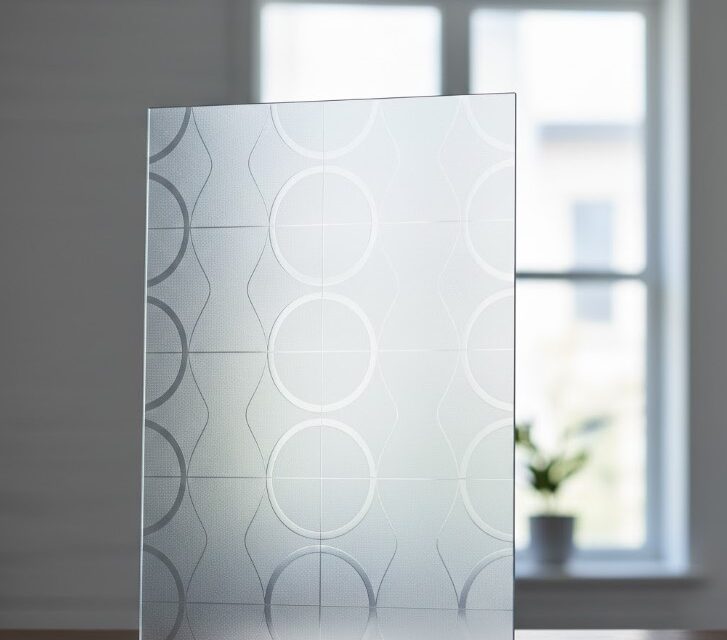
Acid-etched glass is a type of decorative and functional glass that undergoes chemical treatment to produce a smooth, frosted, or textured surface. It combines aesthetics, privacy, and light diffusion, making it ideal for residential, commercial, hospitality, and industrial spaces.
Understanding its benefits, applications, and how it compares to other frosted glass options helps architects, designers, and contractors make informed choices.
What is Acid-Etched Glass?
Acid-etched glass is manufactured by applying hydrofluoric acid or other chemical etching agents to the surface of clear or tinted glass. This process creates a uniform frosted effect while maintaining the structural strength of the glass. Unlike sandblasted glass, acid etching allows for subtle patterns, precise logos, and smooth, consistent textures.
Modern acid-etched glass meets international quality and safety standards such as ISO 12543, EN 12150, and ASTM C1048, and can be combined with laminates or coatings for enhanced performance. Certified suppliers offer warranties and technical support to ensure durability and compliance.
The Importance of Acid-Etched Glass
Acid-etched glass is more than decorative; it serves practical and functional purposes:
- Privacy Without Compromising Light: Ideal for offices, bathrooms, and meeting rooms, it obscures visibility while allowing natural light to flow.
- Elegant Aesthetic: Perfect for partitions, shower enclosures, cabinetry inserts, and branded signage.
- Safety and Compliance: Laminated or tempered options meet impact resistance and fire safety standards.
- Durability and Low Maintenance: Resistant to scratches, stains, and cleaning chemicals, making it suitable for high-traffic areas.
By combining style and function, acid-etched glass is preferred for environments where privacy, light diffusion, and visual appeal are equally important.
Benefits of Acid-Etched Glass
- Enhanced Privacy: Provides visual obscurity without darkening spaces, making it ideal for offices, bathrooms, and meeting rooms. It allows natural light to flow while maintaining discretion.
- Customizable Designs: Patterns, logos, and textures can be etched directly into the glass surface. This adds branding opportunities and unique aesthetic appeal for interiors or commercial spaces. Especially when paired with custom decorative mirrors & glass to create cohesive, visually striking designs.
- Light Diffusion: Softens glare from sunlight or artificial lighting, creating comfortable and evenly lit interiors. It helps reduce eye strain while maintaining brightness.
- Durable and Safe: When laminated or tempered, acid-etched glass resists impact, heat, and daily wear. It provides long-lasting performance while meeting building safety codes.
- Low Maintenance: The smooth frosted surface repels fingerprints, smudges, and dust. Cleaning is easy, reducing maintenance effort in high-traffic areas.
These advantages make acid-etched glass a versatile choice across residential, commercial, hospitality, and industrial applications.
Applications of Acid-Etched Glass
Acid-etched glass is widely used in multiple sectors:
Residential Interiors: Acid-etched glass is ideal for shower screens, decorative panels, cabinet inserts, balustrades, and feature walls. It provides privacy while allowing natural light to fill living spaces, creating an elegant and modern look.
Commercial Spaces: In offices and commercial buildings, acid-etched glass is used for partitions, conference room walls, storefronts, and signage. It balances privacy and transparency, supporting professional aesthetics and functional separation of spaces.
Hospitality: Hotels, restaurants, and lounges often use acid-etched glass for partitions, screens, and artistic panels. It enhances interior design, offers privacy for guests, and contributes to a sophisticated ambiance.
Industrial Applications: Acid-etched glass is suitable for protective panels, equipment screens, and laboratory surfaces. Its chemical resistance, durability, and light-diffusing properties make it practical for industrial environments.
Public Spaces: Airports, hospitals, and educational institutions benefit from acid-etched glass for privacy, safety, and light management. It helps control glare, separates areas effectively, and maintains aesthetic appeal in high-traffic zones.
Selecting the right thickness, finish, and customization ensures optimal performance, aesthetics, and compliance with building regulations.
Acid-Etched Glass vs Other Frosted Glass Options
| Feature | Acid-Etched Glass | Sandblasted Glass | Frosted Film / Laminates |
| Process | Chemical treatment with acid for uniform frosted texture | High-pressure sand blasting to texture the surface | Adhesive film applied on clear glass |
| Finish | Smooth, consistent, can include patterns or logos | Slightly rough, less uniform, can be patterned | Uniform but less durable, can peel over time |
| Durability | Highly durable, resists scratches and cleaning chemicals | Durable but rough surface prone to minor wear | Lower durability, can scratch or peel |
| Light Transmission | Diffuses light softly while maintaining privacy | Good light diffusion but slightly diffused glare | Moderate diffusion, may reduce brightness |
| Applications | Residential, commercial, hospitality, industrial | Decorative panels, art installations, privacy walls | Temporary or budget-friendly interior applications |
This table clearly highlights why acid-etched glass is often the preferred choice for projects requiring elegance, consistency, and long-term durability.
How to Choose the Right Acid-Etched Glass
- Type and Finish – Clear, frosted, or patterned finishes depending on privacy and design needs.
- Thickness and Safety – Commonly 6mm–12mm; consider laminated or tempered glass for safety and compliance.
- Design Customization – Logos, textures, or intricate patterns can be etched for decorative or branding purposes.
- Supplier and Certification – Work with certified suppliers who provide warranties, technical support, and high-quality materials.
- Environmental Suitability – Ensure the glass performs well under moisture, heat, or chemical exposure, especially in bathrooms or industrial areas.
For guaranteed precision, durability, and compliant installation, consider acid etching glass services to ensure flawless cutting, uniform etching, and perfect finishing for residential or commercial projects.
Maintenance Tips
- Clean with non-abrasive, pH-neutral solutions to maintain the frosted surface.
- Avoid sharp tools or scrapers that may scratch the glass.
- Inspect regularly for chips or cracks, especially in high-traffic areas.
- Laminated or tempered etched glass should follow standard glass maintenance protocols.
Proper maintenance extends the lifespan of the glass, preserves its aesthetics, and ensures safety.
FAQs
What is acid-etched glass?
Acid-etched glass is chemically treated to create a smooth, frosted, or textured surface. It provides privacy, light diffusion, and decorative appeal.
Where is acid-etched glass used?
It is used in residential interiors, offices, hotels, restaurants, industrial panels, and signage for aesthetics, privacy, and light control.
How do you clean acid-etched glass?
Use non-abrasive, pH-neutral cleaners and soft cloths to maintain the frosted finish. Avoid sharp tools that may scratch or damage the surface.
Is acid-etched glass safe for impact?
Yes, when laminated or tempered, acid-etched glass meets safety standards for impact resistance and heat exposure.
Conclusion
Acid-etched glass delivers the perfect balance of style, privacy, and durability, making it suitable for residential, commercial, hospitality, and industrial projects. Its light-diffusing properties and customizable designs enhance both functionality and visual appeal.
For residents in Dubai, Sharjah, and across the UAE looking for premium acid-etched glass solutions, Al Lamsah Al Shafafah is your trusted partner for high-quality glass finishes and expert installations.
Contact our glass specialists to bring your project to life with precision, style, and safety.
Explore More Glass Design & Technology Guides
- What Is UV Glass Printing? A Beginner’s Guide: A quick intro to modern glass printing technology, its process, and where it’s commonly used.
- How Mirrors in Interior Design Can Transform Your Space: Learn how mirrors enhance lighting, depth, and aesthetics in residential and commercial interiors.
- What Is Glass Sandblasting? Uses, Benefits & Design Ideas: Discover how sandblasted glass creates privacy, texture, and stylish visual effects.
- All-in-One Guide to Decorative & Architectural Glass Works: A complete overview of modern glass solutions used in design, construction, and interiors.