
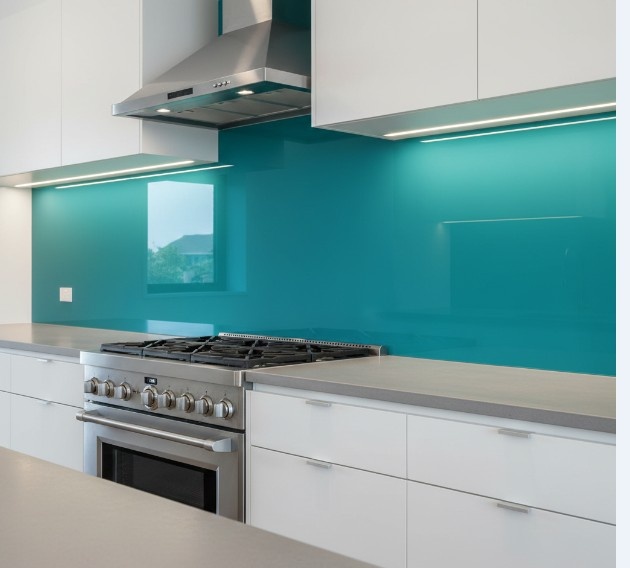
Glass has evolved from a simple building material into a sophisticated design element used to enhance aesthetics, lighting, and spatial perception. Among modern decorative glass solutions, back painted glass stands out for its rich color depth, light diffusion, and artistic appeal. Architects and interior designers increasingly specify this material for projects where visual impact and durability must work together.
Unlike traditional decorative panels, this glass type combines advanced coating techniques with precision finishing, allowing it to perform reliably in both residential and commercial environments. Its ability to transform ordinary surfaces into statement features makes it a preferred option for contemporary interiors.
What Is Back Painted Glass?
Back Painted glass is a decorative glass panel in which color or stain is applied to the rear surface rather than the front. This technique protects the pigment behind the glass layer, shielding it from scratches, moisture, and fading while delivering a rich, glossy finish. The result is a durable and visually striking glass solution suitable for both decorative and functional architectural uses.
How Back Painted Glass Is Made
The process typically involves cleaning the glass thoroughly, applying specialized ceramic or solvent based stains, and curing them through heat or chemical bonding. Because the color sits behind the glass rather than on top, the finish appears deeper, more vibrant, and longer lasting than surface painted alternatives.
This makes it suitable for feature walls, partitions, panels, cabinetry inserts, and architectural accents where both durability and design precision are essential, especially when installed by professionals offering back painted glass services for customized project requirements.
Types of Back Painted Glass
Understanding the variations in back painted glass helps buyers select the right material for their projects.
Standard Back Painted Glass
This version features a single-layer paint coating and is perfect for residential walls, kitchen panels, and small decorative installations. It is cost-effective and available in a broad spectrum of colors and finishes.
Tempered Back Painted Glass
Tempered back painted glass undergoes a thermal treatment process, enhancing its strength and safety. It is widely used in high-traffic areas such as commercial kitchens, office partitions, and retail displays.
Frosted and Patterned Back Painted Glass
For applications requiring privacy or design appeal, frosted or textured variants are ideal. They diffuse light while maintaining elegance and are commonly used in bathroom partitions, conference rooms, and decorative panels.
Key Advantages of Back Painted Glass
Back painted glass is more than just a decorative element. Its functional benefits make it a top choice for designers and builders.
- Durability: Resistant to moisture, stains, and corrosion, ensuring long-term performance.
- Easy Maintenance: Smooth surface simplifies cleaning, reducing upkeep time.
- Vibrant Colors: Available in unlimited shades, allowing for bespoke color customization.
- Reflective Properties: Adds depth and enhances natural lighting in interior spaces.
- Versatility: Suitable for both residential and commercial applications.
Common Applications of Back Painted Glass
Back painted glass has a wide range of uses across multiple sectors, combining aesthetic appeal and functional performance.
Kitchen Backsplashes
It is ideal for kitchen surfaces, offering a heat-resistant, non-porous, and easy-to-clean alternative to tiles. Custom colors can complement cabinetry and countertops seamlessly.
Bathroom Walls and Partitions
Moisture-resistant properties make back painted glass perfect for wet areas, offering elegant finishes that resist mold and water damage.
Interior Feature Walls
Designers use this glass for accent walls in living rooms, lobbies, or reception areas, providing a modern, polished look.
Commercial Applications
Tempered and patterned back painted glass is widely used in retail stores, offices, and hotels for partitions, signage, and decorative elements, combining durability and style.
Furniture and Cabinetry
Back painted glass panels are also integrated into wardrobes, cabinets, and tables, offering contemporary finishes with vibrant color options. They are often combined with decorative reflective elements from custom decorative mirrors & glass solutions to create cohesive interior aesthetics.
Installation and Maintenance Tips
Proper installation and care maximize the lifespan of back painted glass:
- Ensure a level, clean surface before mounting to prevent misalignment or air bubbles.
- Use silicone adhesives or mechanical fixings for secure attachment.
- Clean with a soft microfiber cloth and mild detergent; avoid abrasive cleaners.
- Inspect edges for chips during transport and installation.
These practical insights help property owners, contractors, and designers achieve professional results with minimal maintenance.
Factors to Consider When Choosing Back Painted Glass
Selecting the right glass requires understanding your project’s requirements:
- Color Consistency: Ensure paint uniformity for a flawless finish.
- Thickness: Standard 4-6 mm for interiors; tempered options for high-impact areas.
- Safety: Tempered or laminated glass is recommended in public or high-traffic spaces.
- Reflectivity: High gloss enhances light; matte finishes reduce glare.
Considering these factors ensures your design intent aligns with performance and safety standards.
FAQs About Back Painted Glass
What is back painted glass used for?
Back painted glass is used in kitchens, bathrooms, feature walls, and furniture for vibrant, durable, and stylish surfaces. It combines aesthetic appeal with easy maintenance and moisture resistance.
How is back painted glass different from regular glass?
Unlike regular glass, back painted glass has paint applied on the reverse side, protecting the color and surface.This makes it resistant to scratches, stains, and fading over time.
Can back painted glass be installed in kitchens and bathrooms?
Yes, it is moisture and heat-resistant, making it ideal for backsplashes, wet walls, and high-use areas. Tempered options enhance safety in these environments.
How do you clean and maintain back painted glass?
Clean with a soft microfiber cloth and mild detergent to avoid scratches and paint damage. Avoid abrasive cleaners or harsh chemicals to maintain its finish.
Conclusion
Back painted glass is a versatile, durable, and visually striking solution for modern interior and commercial spaces. Its wide range of colors, finishes, and applications make it an excellent choice for kitchens, bathrooms, feature walls, and furniture. By combining practical functionality with aesthetic appeal, this material delivers both performance and elegance.
Ready to Specify Back Painted Glass for Your Project?
For architects, designers, and property owners seeking premium back painted glass solutions with expert guidance and reliable craftsmanship, Al Lamsah Al Shafafah delivers trusted quality, certified materials, and professional support for projects of any scale.
Contact our glass specialists to bring your vision to life with precision, style, and safety.
Explore More Glass Design & Technology Guides
- What is Acid-Etched Glass? Benefits & Applications: Clarity meets privacy: a smart guide to acid-etched glass benefits and uses.
- What Is UV Glass Printing? A Beginner’s Guide: A quick intro to modern glass printing technology, its process, and where it’s commonly used.
- How Mirrors in Interior Design Can Transform Your Space: Learn how mirrors enhance lighting, depth, and aesthetics in residential and commercial interiors.
- What Is Glass Sandblasting? Uses, Benefits & Design Ideas: Discover how sandblasted glass creates privacy, texture, and stylish visual effects.
- All-in-One Guide to Decorative & Architectural Glass Works: A complete overview of modern glass solutions used in design, construction, and interiors.