
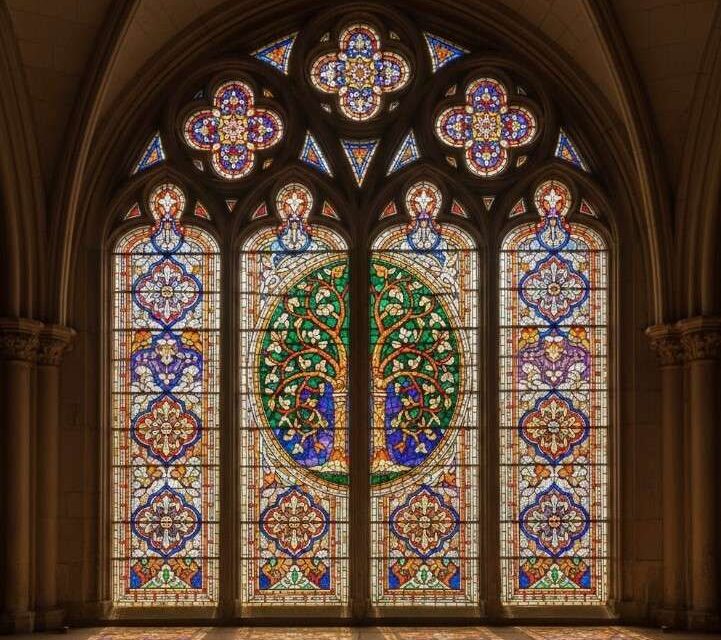
Stained glass is a specialized form of colored glass crafted into decorative or functional designs for architecture, interiors, and art installations. Used for centuries in sacred buildings and luxury spaces, it combines craftsmanship, engineering, and aesthetics.
Understanding what is stained glass helps buyers, designers, and architects evaluate quality, durability, and suitability for different applications before selecting suppliers or requesting fabrication.
Stained Glass History: The Origins and Evolution
Early Development and Cultural Significance
The stained glass history begins in ancient Rome and Egypt, where colored glass was first produced for mosaics and ornaments. By the medieval period, it became central to cathedral architecture across Europe.
Iconic installations like those in Chartres Cathedral demonstrated how colored glazing could control light, tell stories, and enhance structural design.
Artistic Expansion in the Modern Era
In the late 19th century, artists such as Louis Comfort Tiffany transformed glass into fine art through innovative techniques. His studio, Tiffany Studios, popularized intricate patterns and opalescent textures that influenced contemporary design.
How Stained Glass Is Made
Raw Material Selection
Professional stained glass materials typically include silica sand, soda ash, limestone, and metallic oxides that produce color variations. Copper foil or lead came is used for joining sections.
Manufacturers that comply with standards from ASTM International or hold ISO 9001 certification often provide more consistent product quality and traceability.
Production Workflow
The stained glass process involves several technical stages that affect performance and longevity.
- Glass melting and pigment infusion
- Sheet rolling or mouth blowing
- Pattern cutting and shaping
- Assembly using lead or copper foil
- Soldering and reinforcement
- Surface finishing and inspection
Each step requires precision because structural integrity and visual clarity depend on correct temperature control and assembly alignment.
Types and Product Categories
Architectural Installations
Stained glass windows are the most recognized format, commonly used in mosques, churches, villas, and hotels. These installations balance aesthetics with insulation and daylight control.
For commercial projects, architectural stained glass must meet building safety requirements such as wind load resistance and tempered panel integration.
Decorative and Interior Solutions
Interior designers frequently specify stained glass panels for partitions, cabinet doors, skylights, and feature walls, and many projects combine them with specialized finishes available through stained glass painting services to achieve precise patterns, textures, and branding effects while maintaining light diffusion.
Luxury interiors often incorporate decorative glass art pieces as focal elements, blending craftsmanship with lighting effects to elevate ambiance.
Modern Innovations and Uses
Today’s modern stained glass is not limited to traditional religious or historical contexts. Contemporary applications include retail storefronts, corporate offices, and hospitality environments.
Advancements in stained glass manufacturing now allow digital pattern cutting, laminated safety layers, and UV resistant coatings, making installations more durable and suitable for high traffic spaces.
Practical Applications Across Industries
Residential Projects
Homeowners choose custom stained glass for entry doors, stairwell windows, and skylights. Personalized designs can reflect architectural style while increasing property value.
Homeowners choose custom stained glass for entry doors, stairwell windows, and skylights, and many complement these features with custom decorative mirrors and glass accents to create a balanced interior aesthetic that reflects light beautifully while maintaining design harmony.
Commercial and Institutional Use
Businesses install stained glazing for branding elements, reception areas, and decorative ceilings. Museums and cultural institutions also rely on stained panels for immersive lighting effects.
Restoration and Heritage Preservation
Historic buildings often require precise reproduction techniques. Skilled artisans replicate original designs using traditional methods to preserve authenticity.
Cost and Supplier Considerations
Evaluating stained glass price depends on multiple factors including glass type, thickness, pattern complexity, and installation conditions. Custom designs and safety glazing typically increase cost.
When comparing stained glass suppliers, buyers should review certifications, portfolio experience, warranty terms, and after sales support. Reliable vendors usually provide detailed technical drawings and compliance documentation.
Professional stained glass installation is equally important because improper mounting can lead to stress fractures or misalignment. Always verify installer credentials and project references.
How to Choose the Right Option
Technical Evaluation Checklist
Selecting the right glass solution requires balancing aesthetics and engineering requirements.
- Confirm compliance with building codes
- Check impact resistance rating
- Review colorfastness and UV stability
- Assess maintenance requirements
- Verify warranty duration
If specification details feel complex, it is wise to contact our experts for material comparisons and performance recommendations tailored to your project.
Comparison With Other Decorative Glass Types
While etched, frosted, and laminated glass offer privacy and style, stained variants provide unique artistic depth because color is embedded within the glass rather than applied on the surface.
This intrinsic pigmentation means designs remain vibrant for decades, making stained options preferable for long term architectural installations.
FAQs
What makes stained glass different from colored glass?
Stained glass contains pigments fused during manufacturing, not painted afterward. This ensures color permanence and durability.
Is stained glass suitable for modern buildings?
Yes, it integrates well with contemporary architecture using reinforced panels and safety glazing systems for structural compliance.
How long does stained glass last?
Properly fabricated panels can last over 100 years with minimal maintenance. Longevity depends on installation quality and environmental exposure.
Can stained glass be customized for branding or interiors?
Designers can create patterns, logos, or motifs tailored to a project’s identity. Custom fabrication allows full control over color and texture.
Is stained glass expensive compared to standard glass?
It usually costs more due to craftsmanship and materials. However, its durability and visual impact provide strong long term value.
Conclusion
Stained glass remains one of the most timeless architectural materials because it merges engineering precision with artistic expression. From historic cathedrals to modern commercial interiors, it continues to enhance light, ambiance, and design identity.
For architects, designers, and property owners seeking premium stained glass solutions with expert guidance and reliable craftsmanship, Al Lamsah Al Shafafah delivers trusted quality, certified materials, and professional support for projects of any scale.
Contact our glass specialists to bring your project to life with precision, style, and safety.
Read More Expert Guides
Discover professional guides on glass solutions, from doors and partitions to balustrades and windows, helping you choose the perfect style for your home or business.
Explore More Glass Design & Technology Guides
- What is Acid-Etched Glass? Benefits & Applications: Clarity meets privacy: a smart guide to acid-etched glass benefits and uses.
- What Is UV Glass Printing? A Beginner’s Guide: A quick intro to modern glass printing technology, its process, and where it’s commonly used.
- How Mirrors in Interior Design Can Transform Your Space: Learn how mirrors enhance lighting, depth, and aesthetics in residential and commercial interiors.
- What Is Glass Sandblasting? Uses, Benefits & Design Ideas: Discover how sandblasted glass creates privacy, texture, and stylish visual effects.
- All-in-One Guide to Decorative & Architectural Glass Works: A complete overview of modern glass solutions used in design, construction, and interiors.