
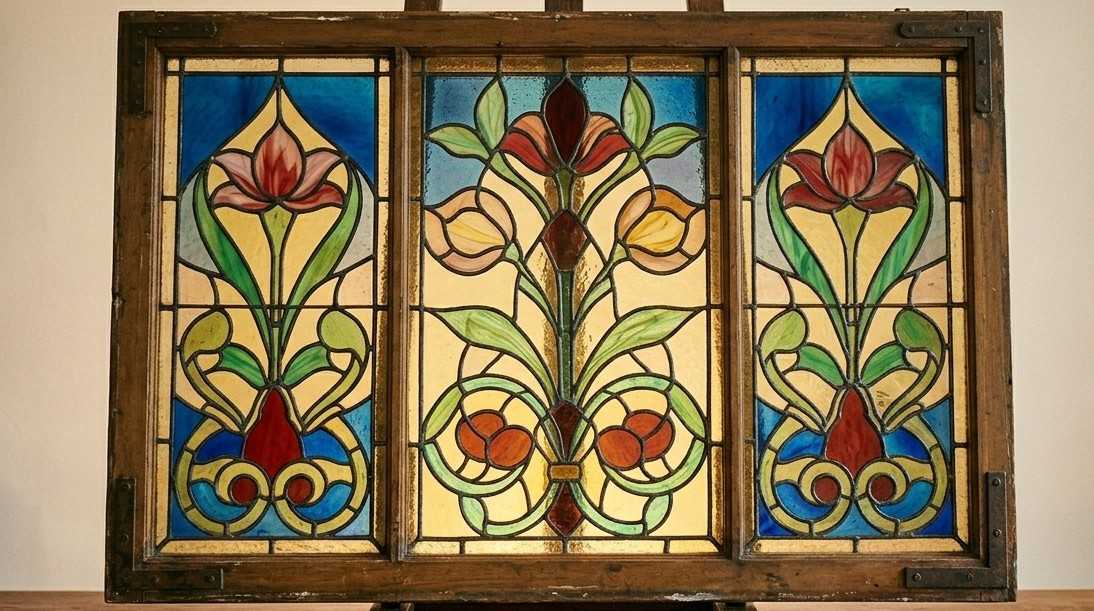
The UAE has long been recognized as a global hub for architectural innovation. From iconic skyscrapers and luxury hotels to contemporary villas and commercial developments, the country continuously embraces materials and technologies that combine aesthetics, functionality, and sustainability. Among these materials, decorative glass has emerged as one of the most influential design elements shaping modern architecture across the Emirates.
Today, decorative glass is no longer limited to windows and partitions. Architects and designers are using it to create visually striking facades, elegant interiors, artistic features, and energy-efficient building envelopes. As the UAE continues to push the boundaries of design excellence, decorative glass is playing a vital role in transforming how buildings look, feel, and perform.
The Rise of Decorative Glass in UAE Architecture
The UAE’s architectural sector is driven by a demand for innovation and premium design. Decorative glass aligns perfectly with these objectives because it offers:
- Enhanced visual appeal
- Greater design flexibility
- Improved natural light utilization
- Privacy without sacrificing openness
- Compatibility with sustainable building practices
Modern developments across the UAE increasingly use decorative glass to create elegant and futuristic spaces while maintaining functionality and comfort. Glass based design solutions are becoming a core component of contemporary architectural planning.
Why Decorative Glass Matters in Modern Buildings?
Aesthetic Transformation
One of the biggest reasons for the growing adoption of decorative glass is its ability to transform ordinary structures into architectural landmarks. Decorative patterns, textures, colors, and artistic finishes add character to buildings without compromising modern design principles.
Architects are using decorative glass to create:
- Signature building facades
- Luxury hotel interiors
- Corporate office spaces
- Retail environments
- High end residential projects
Architects are increasingly incorporating custom decorative mirrors Dubai services to elevate luxury interiors, offering clients a refined way to enhance walls, lobbies, and feature spaces with premium reflective design solutions.
Maximizing Natural Light
Natural light remains a key design priority in UAE architecture. Decorative glass allows sunlight to penetrate deeper into buildings while introducing artistic effects through textures, etching, printing, and patterned surfaces.
This approach helps create:
- Brighter interiors
- Reduced reliance on artificial lighting
- Improved occupant wellbeing
- Enhanced spatial perception
Glass based architectural solutions continue to dominate modern UAE interiors because they promote openness and transparency while maximizing daylight performance.
Dynamic Smart Glass Technology
Smart glass is increasingly used in luxury and commercial projects across the UAE. It can switch from transparent to opaque instantly, providing privacy, glare control, and flexible light management without the need for blinds or curtains.
Climate Control and Energy Efficiency
The UAE’s climate requires materials that can withstand intense heat. Advanced decorative glazing solutions such as Low-E and tinted glass help reduce solar heat gain, improve insulation, and lower cooling costs. This allows architects to incorporate large glass facades without compromising energy performance.
Culturally Inspired Designs
Decorative glass also helps blend modern architecture with local heritage. Islamic geometric patterns and mashrabiya-inspired designs are frequently incorporated into glass installations, creating visually striking spaces that reflect the UAE’s cultural identity. Projects such as the Louvre Abu Dhabi demonstrate how advanced glazing can combine artistic expression with architectural innovation.
Types of Decorative Glass Transforming UAE Architecture
Frosted Glass
Frosted glass offers privacy while allowing natural light transmission. It is widely used in offices, hotels, residential bathrooms, and healthcare facilities.
Key benefits include:
- Enhanced privacy
- Soft light diffusion
- Contemporary appearance
- Easy maintenance
Acid Etched Glass
Acid etched glass creates smooth, satin like surfaces that add sophistication to modern spaces. Architects often specify this material for luxury commercial and residential developments.
For projects seeking a premium satin finish, decorative acid etched glass UAE services are widely used to achieve elegant privacy solutions while maintaining a soft, sophisticated light diffusion in both residential and commercial spaces.
Sandblasted Glass
Sandblasting creates customized patterns and textures that contribute to unique architectural identities. This technique is frequently used for branding and decorative applications.
Printed Glass
Advanced printing applications are now part of decorative glass techniques, allowing UAE designers to create highly detailed patterns, branding elements, and artistic visuals directly onto glass surfaces for modern architectural projects.
Stained and Artistic Glass
Modern stained glass installations are being reimagined in luxury hospitality, religious, and cultural projects throughout the UAE, blending traditional craftsmanship with contemporary design concepts.
Luxury interior designers increasingly prefer decorative stained glass panels Dubai to introduce artistic color effects and heritage-inspired designs that enhance hospitality and high-end residential environments.
Decorative Glass and Cultural Identity
One of the most interesting developments in UAE architecture is the integration of traditional design elements into modern structures.
Architects are increasingly using decorative glass to reinterpret regional architectural features such as:
- Geometric Islamic patterns
- Mashrabiya inspired screens
- Arabic calligraphy
- Traditional lattice designs
This approach allows buildings to reflect local heritage while embracing modern construction technologies. The concept can be seen in several landmark projects where light, shadow, and decorative screening create visually dynamic environments inspired by traditional Arabian architecture.
Case Study: Al Bahar Towers, Abu Dhabi
One of the most celebrated examples of decorative and responsive facade design in the UAE is the Al Bahar Towers in Abu Dhabi.
Architectural Innovation
The towers feature a dynamic facade inspired by the traditional mashrabiya concept. The facade consists of movable shading elements that respond to sunlight throughout the day.
Performance Benefits
The system delivers:
- More than 50 percent reduction in solar heat gain
- Enhanced energy efficiency
- Improved occupant comfort
- Reduced cooling demand
This project demonstrates how decorative architectural elements can simultaneously serve cultural, environmental, and aesthetic objectives.
Decorative Glass in Commercial Architecture
Commercial developments across Dubai, Abu Dhabi, and Sharjah are increasingly utilizing decorative glass to enhance brand identity and workplace functionality.
Modern Office Spaces
Decorative glass partitions are replacing traditional walls because they:
- Promote collaboration
- Improve daylight penetration
- Create open environments
- Maintain privacy when required
Retail Environments
Luxury retailers use decorative glass to create premium customer experiences through:
- Feature displays
- Customized storefronts
- Artistic installations
- Interactive visual elements
Decorative glass enables businesses to establish distinctive identities while maintaining a modern and professional atmosphere.
Decorative Glass in Hospitality and Luxury Developments
The UAE’s hospitality industry constantly seeks innovative materials that elevate guest experiences. Decorative glass has become a preferred choice because it combines elegance with practical performance.
Applications include:
- Hotel lobbies
- Spa facilities
- Luxury suites
- Restaurants
- Resort villas
High-end hotels and resorts are also integrating decorative fused glass Dubai installations to create unique feature walls and artistic focal points that elevate guest experiences through texture, depth, and bespoke craftsmanship.
Expert Perspective: The Future of Decorative Glass in the UAE
Industry trends suggest decorative glass will continue evolving through innovations such as:
- Smart glass technologies
- Dynamic facades
- Interactive glass surfaces
- Integrated lighting systems
- Digitally fabricated artistic glass
As architectural projects become increasingly ambitious, decorative glass is expected to play a larger role in balancing aesthetics, sustainability, and user experience.
Future developments will likely move beyond simple visual enhancement and position decorative glass as an intelligent architectural component capable of responding to environmental conditions and occupant needs.
Conclusion
Decorative glass has become a defining element of modern UAE architecture, offering the perfect balance between aesthetics, functionality, and sustainability. From energy-efficient facades and smart glass technologies to custom artistic installations and culturally inspired designs, decorative glass is helping architects create spaces that are visually striking, environmentally responsible, and built for the future.
As the UAE continues to lead global architectural innovation, the demand for advanced decorative glass solutions will only grow, shaping iconic residential, commercial, hospitality, and public spaces across the region.
Looking to Transform Your Space with Decorative Glass?
If you are planning to enhance your space with stained glass or back painted glass, selecting the right glass suppliers in UAE is essential for ensuring long-term durability, elegant design, and strong visual impact. Transform your interiors today with premium glass solutions that combine style and quality.
Contact Al Lamsah Al Shafafah today, a leading decorative glass company in Dubai UAE, and discover expert decorative glass solutions tailored to your project needs.
Related Decorative Glass Articles
Explore more insights about decorative glass solutions, modern architectural finishes, and interior design applications through these related guides:
- Difference Between Stained Glass vs Back Painted Glass: Key differences in aesthetics, durability, and applications.
- Traditional vs Printed Stained Glass: What’s the Difference?: Comparison of handcrafted and modern printed stained glass solutions.
- What Is Glass Mosaic Art? A Complete Guide: History, styles, materials, and modern architectural uses.
- Sandblasted Glass vs. Acid Etched Glass: Which is Better?: Texture, privacy, maintenance, and application comparison.
- What Is UV Glass Printing? A Beginner’s Guide: Create vibrant, customized glass designs using advanced printing technology for modern spaces.