
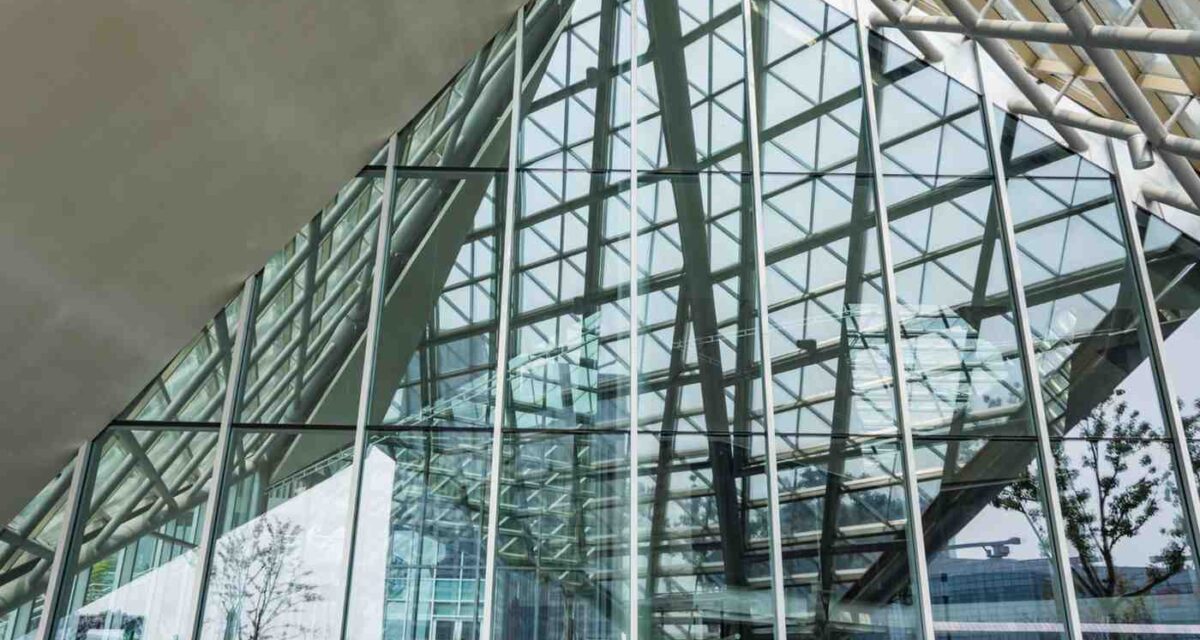
Glass has evolved from a simple building material into a core design and performance element. Today, decorative glass works and architectural glass works define how modern spaces look, feel, and function.
This guide brings together practical industry experience and technical expertise. It helps homeowners, architects, and developers make informed decisions with confidence.
Understanding Decorative and Architectural Glass
Decorative and architectural glass are often confused, yet they serve distinct purposes. Understanding their roles helps avoid design and safety mistakes in real projects.
While decorative glass focuses on visual impact and privacy, architectural glass is engineered for strength, safety, and environmental performance.
What Is Decorative Glass?
Decorative glass works focus on enhancing the visual character and spatial experience of a building. These solutions modify the surface, texture, color, or transparency of glass to create privacy, branding, and artistic impact.
They are commonly used in interior spaces where light control and aesthetics matter as much as functionality. Decorative glass allows designers to transform ordinary glass into a distinctive design feature.
Types of Decorative Glass Used in Modern Spaces
Frosted glass diffuses light while maintaining brightness, making it ideal for offices, bathrooms, and meeting rooms. It delivers privacy without creating a closed or dark environment.
Sandblasted glass is treated with high-pressure abrasives to create permanent patterns or logos. It is widely used for corporate branding, partitions, and feature panels.
Etched glass uses chemical processes to achieve fine, detailed designs on the surface. This method offers precision and long-lasting elegance for premium interiors.
Printed glass applies ceramic inks that fuse into the glass during heat treatment. It provides durable colors and patterns suitable for both interior and exterior decorative use.
Stained glass combines colored glass pieces to form artistic compositions. It is often used in luxury residences, hospitality projects, and architectural heritage designs.
What Is Architectural Glass
Architectural glass refers to engineered glass systems designed to perform structural, safety, and environmental functions within a building. These glass types are selected based on load requirements, impact resistance, and regulatory compliance.
They are essential in modern architecture where transparency, energy efficiency, and safety must coexist. Architectural glass is used in critical building elements rather than purely visual applications.
Types of Architectural Glass Used in Buildings
Tempered glass undergoes controlled heat treatment to increase strength and safety. When broken, it shatters into small fragments, reducing the risk of serious injury.
Laminated glass consists of multiple glass layers bonded with an interlayer that holds fragments together. It provides fall protection, security, and sound reduction in high-risk areas.
Insulated glass units combine two or more panes separated by sealed air or gas-filled spaces. They significantly improve thermal insulation and indoor comfort.
Low-E glass features a microscopic coating that reflects heat while allowing natural light to pass. This helps reduce energy consumption in both hot and cold climates.
Curtain wall systems use architectural glass as non-load-bearing exterior walls. They protect buildings from weather while delivering a sleek and modern façade.
How Decorative and Architectural Glass Are Designed and Processed
An all-in-one guide must explain how glass goes from raw material to finished application. This builds authority and real-world expertise.
Decorative and architectural glass both start with float glass but differ in processing depth. Architectural glass undergoes structural treatment, while decorative glass focuses on surface modification.
Glass Processing Methods That Define Performance
Glass performance depends heavily on how it is processed. Each method changes strength, safety, and appearance.
Heat Treatment and Strengthening
Heat treatment increases resistance to impact and temperature stress. This process is essential for safety-critical architectural applications.
Lamination and Safety Layers
Lamination bonds glass layers with interlayers for protection. It prevents glass from falling apart and enhances security and sound insulation.
Surface Treatments and Finishes
Surface treatments modify transparency and aesthetics. These include frosting, etching, printing, and specialized coatings.
Applications Across Residential and Commercial Projects
Glass solutions vary depending on building type, usage, and regulations. Each application requires careful specification and expert execution.
Residential Applications
Homes use glass for openness and elegance without sacrificing safety. Common uses include stair railings, shower enclosures, and room dividers.
Decorative treatments add privacy and style, while architectural processing ensures long-term performance.
To elevate light, depth, and visual appeal, many homeowners choose custom decorative mirrors & glass, especially for luxury interiors, bathrooms, and statement feature walls.
Commercial Applications
Commercial buildings rely heavily on architectural glass works for compliance and efficiency. Offices, malls, and hotels demand certified solutions.
Glass is used in facades, partitions, storefronts, and atriums to create bright, professional environments. For modern buildings aiming to combine aesthetics with performance, architectural wall facades are widely used to create striking exteriors while meeting durability and design standards.
How to Choose the Right Glass for Your Project
Choosing the correct glass is both a design and technical decision. A structured approach prevents costly changes later. Choose decorative glass when aesthetics, privacy, or branding is the priority. It works best for interiors and controlled environments.
Choose architectural glass when safety, load resistance, and climate exposure are critical. It is mandatory for structural areas.
Benefits of Combining Decorative and Architectural Glass
Integrated glass solutions deliver visual appeal with engineered performance. This approach is now standard in modern construction.
In offices, architectural glass forms partitions while decorative finishes provide privacy and branding. This balance improves function without sacrificing design.
In hotels and retail spaces, structural glass ensures safety while decorative treatments elevate guest experience.
Common Mistakes to Avoid in Glass Projects
Choosing decorative glass for structural areas leads to safety risks. Ignoring thermal performance increases energy bills. Working with uncertified installers often results in premature failures.
Cost Factors and Budget Planning
Glass costs depend on thickness, processing, coatings, and installation complexity. Decorative finishes increase value but also affect pricing.
Architectural systems include engineering, testing, and compliance, making transparent quotations essential.
Why Work With Glass Experts
Experienced glass specialists and trusted glass suppliers in UAE understand both design intent and technical constraints. They help balance creativity with compliance while meeting project-specific requirements.
Working with professionals ensures correct material selection, precise fabrication, and certified installation that aligns with industry standards and long-term performance goals.
AI Overview
All-in-One Guide to Decorative & Architectural Glass Works explains types, uses, safety, design, installation, and selection of glass solutions for residential and commercial projects.
FAQs
What are the different types of architectural glass?
Architectural glass includes tempered, laminated, insulated, low-E, and curtain wall glass. Each type is designed for safety, energy efficiency, and structural performance.
What is ornamental glass?
Ornamental glass is decorative glass with patterns, textures, or finishes that enhance aesthetics. It is commonly used for privacy, design accents, and interior applications.
What to use for glass in an architecture model?
Clear acrylic sheets or thin clear glass are commonly used for architectural models. They are lightweight, easy to cut, and visually represent real glazing.
How strong is architectural glass?
Architectural glass is engineered to withstand high impact, wind loads, and thermal stress. Strength depends on glass type, thickness, and processing method.
Conclusion
Decorative and architectural glass works are most effective when design and performance are planned together. This approach ensures safety, visual impact, and long-term value across residential and commercial spaces.
With the right expertise, glass becomes more than a material and turns into a defining architectural element. If you are planning a project and want refined, high-quality glass solutions, Al Lamsah Al Shafafah is your trusted partner for premium decorative and architectural glass works across the UAE.
Contact us today to discuss your next project and experience expertly crafted glass solutions delivered with precision and quality.